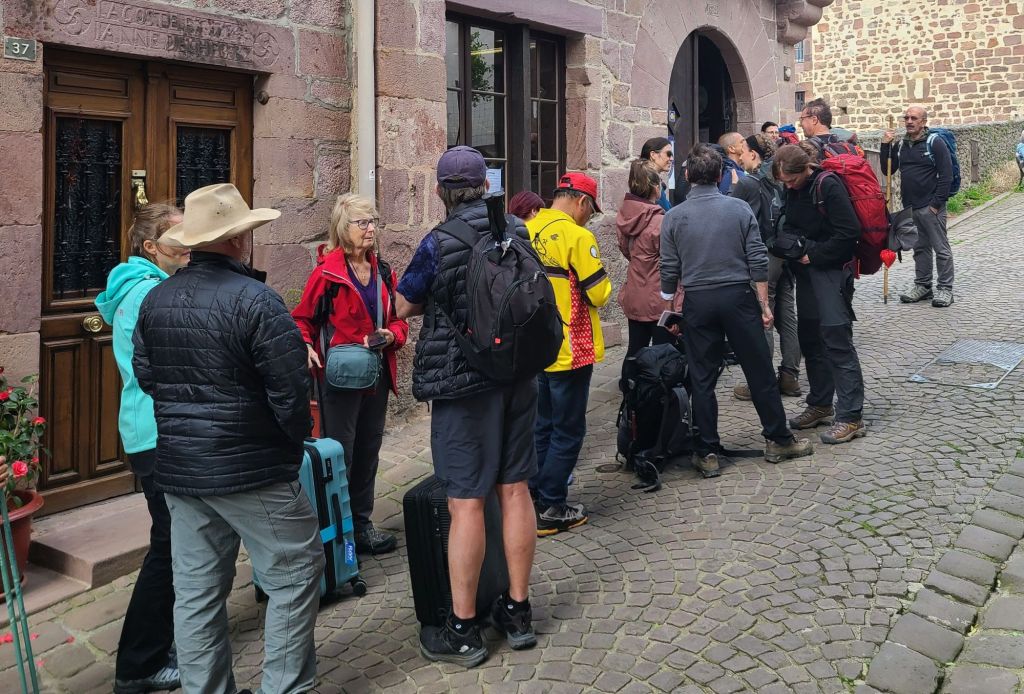
First, a Word About Generalizations
Before I go any further, please know that I have a VERY low opinion about generalizations, stereotyping, defining people by national identity, and/or racism. Pilgrims don’t fit any single homogenous type. There is no prototypical person or pilgrim. We’re all different, just like “real life” off the trail, and I truly believe that is what makes our humanity so wonderful.
Back to the Question at Hand
I spent 40 days during Spring of 2025 on the most popular Camino route, the Camino Frances (starting in southwest France and ending in northwest Spain). I met and/or observed hundreds of pilgrims on the trail during this time. This was an immense feat for me since I entered my Camino as a card-carrying member of the International Fellowship of Introverts. My membership eligibility, however, is now under scrutiny.
Pilgrims come from all over the world. Seeking and pilgriming are universal human behaviors. Most come from Europe (it’s cheaper and more convenient to get to the starting line if you live in Barcelona vs. Brazil, or southern France compared to South Dakota). Many come from non-European English-speaking nations (U.S., Australia, Canada, etc.). An increasing number hail from Asia, especially from South Korea. I met pilgrims from 41 nations, but only one from the continent of Africa (Equatorial Guinea!). I asked nearly all the pilgrims I met, “Where are you from?” And, I took notes!
How Old Are Pilgrims?
Many pilgrims I met were middle- aged or older (50s, 60s, 70s), since this demographic is more likely to have the time and means to make such a huge and lengthy travel commitment. A good number were high school students on group field trips, gap year students, college students, or recent college graduates. The world is their oyster, their futures are open. Why not strap on a backpack and take a long hike in Europe? There were fewer 30-50 year-olds on the Camino since those age groups tend to be more focused on and tied to career and family building.
Were They Physically Fit?
The prospect of a long series of hikes over many hills while carrying a backpack is daunting. [I trained hard for this pilgrimage (15-mile hikes, hills, stairs, full pack, etc.]. Many, but not all pilgrims, seemed somewhat physically fit and ready for longer hikes. And, the Camino itself physically trains the pilgrim. It also tends to sort out those who are not physically able to finish in one attempt.
I knew or heard of at least four pilgrims of various ages and physical conditioning in my cohort (roughly sharing the trail near me) who could not complete their Camino in one attempt. Knees, legs, ankles, and feet are fragile things. Some succumbed to the dreaded “Camino Cough” and had to stop. [Which was almost, but thankfully not quite, my own story].
Some start their journey knowing they have challenging health conditions (bad backs, bum knees, etc.). They chose, however, to take it on in spite of their condition. I took on and completed my Camino knowing that my asthma could have kept me from going the distance.


What is the Pilgrim Plan?

Camino pilgrims vary in approach. My approach, shared by many pilgrims, was to attempt a one- and-done pilgrimage, accruing enough trail miles in one journey and ending in Santiago de Compostela, so I could obtain a Compostela (official certificate of completion). This type of journey may start in France, Spain, or elsewhere in Europe.

Others are “section hikers” (to borrow a term from the Appalachian Trail). They do what they can when they are able – such as hiking a segment from St. Jean Pied-de-Port in France to Burgos or Leon in Spain one year, and the next year, picking up where they left off the previous year. I met MANY pilgrims choosing this way. It worked for them.
One-Timers and Repeat Offenders
Some pilgrims attempt or complete their Camino and, for various reasons, never again return for pilgrimage. They’re one-timers.
Many pilgrims are so taken with their experience or feel the need for a refresher that they come back and do it all over again. A ten year gap between their first and second Caminos seemed common.
I’ve also met or read about pilgrims who have done multiple / many Caminos. They revisit their first Camino or to try other Camino paths (such as the Camino Frances, Del Norte, Portuguese Way, etc.).
For some, the Camino is an addiction. For others, it is a yearly vacation. I met a few who hadn’t planned a repeat pilgrimage, but life circumstances and surprise opportunities made the choice obvious to them.
Motivation For Pilgrimage
Why do people attempt the Camino? It’s a highly personal question. I asked this of other pilgrims only after sharing the trail long enough to sense it was an appropriate question to ask. There is no right or wrong answer, like there are no firm Camino rules. [There ARE firm rules for the eligibility of pilgrims to receive a Compostela. Beyond this, it’s wide open].
Historically, the pilgrimage has been a Catholic religious endeavor. Times have changed. Motivations vary and may include:
Religious: Pilgrims often anchor their attempt in a formal religious framework. I’m using the term”religious” here to mean accepted practices of an organized group seeking transcendent experience. I found that many pilgrims in this group were quiet and inwardly focused.
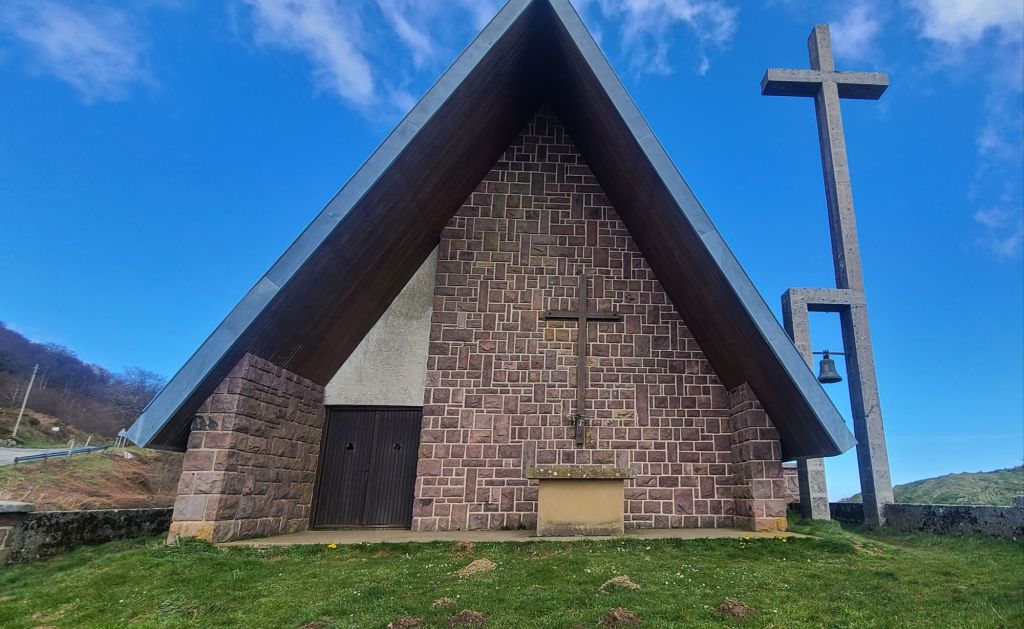
While my religious framework and traditions don’t emphasize pilgrimage, my faith friends have been supportive of my pilgrimage.
The Camino offers great supports for the religious pilgrim: churches, cathedrals, saints, shrines, and endless visual touchstones and reminders.
Spiritual: Many pilgrims, including me, say that their reason to walk the Camino is for “spiritual reasons.” Spiritual here means individual internal reason(s). This may be clearly articulated, loosely defined, or undefined by the pilgrim.


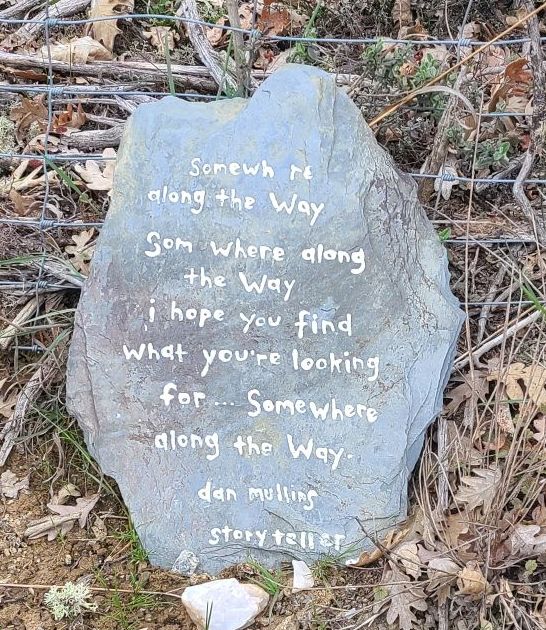
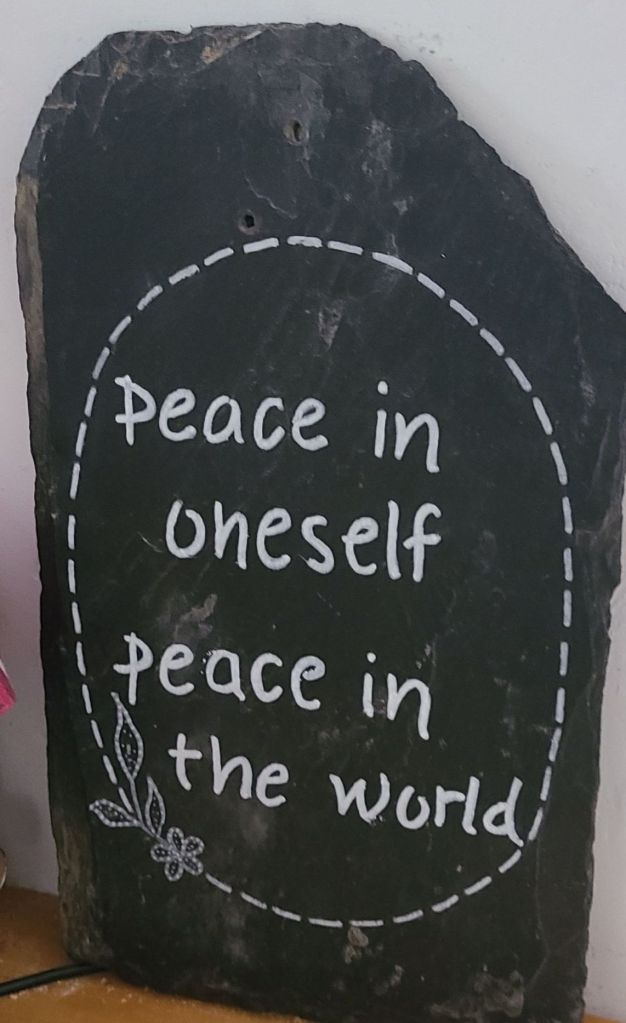
Adventure: I met folks who were travel adventurers at heart. They like challenge, outdoor experiences, and travel. I met two different couples who are untethered to permanent homes. They are full-time nomads. Adventure pilgrims often had the most interesting stories.

Life Transition: I met quite a few pilgrims who were in a season of life transition: job change, seeking career direction, sorting out relationships, divorce, separation, chronic illness, addiction, etc. Long hours on the trail and a break from normal life routines can be remarkablely clarifying when life’s waters have become muddied.
Blended Pilgrims: It was quite common to meet pilgrims who started for one reason and who found that the Camino had other purposes in mind for them. Such as starting for a vacation or adventure and finding much deeper internal lessons.
In my experience, I started as a religious / spiritual pilgrim with clearly defined intentions for my pilgrimage. While I did attend to those matters along the Way of St. James, I found powerful experiences and lessons in relationships and in personal “what’s next?” questions.
Thank you for reading my take on the Camino. It has been a great gift to me and a great treasure to share.
Buen Camino.
Ultreia.
Suseia.


 A Modern Pilgrim's Progress
Leave a comment