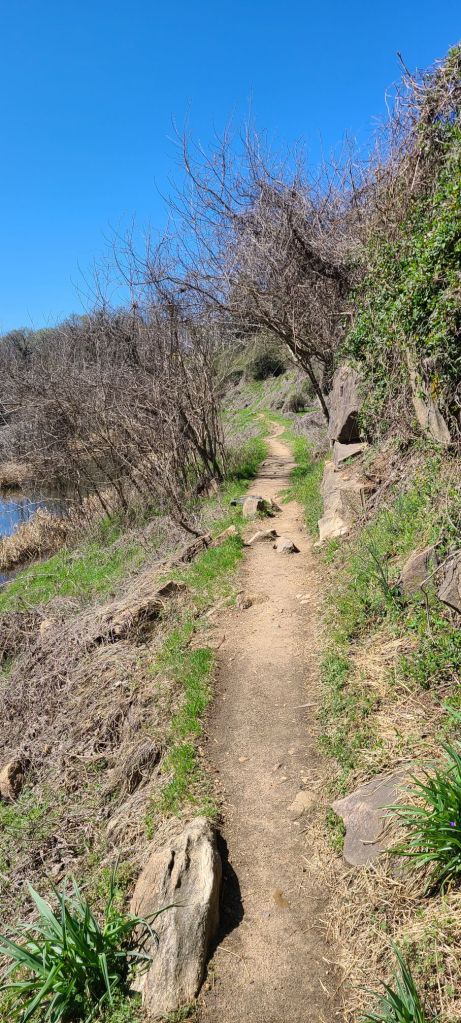
Folks have asked me questions about what this whole pilgrim thing will look like. I’m writing this during my pre-Camino training phase. What follows is my distillation of way too many hours of research and observation of other pilgrims and their stories. It’s the best I know, at this time, and is most definitely subject to revision once I hit the path. And, I like lists….
- Is it safe?
- Spain is a relatively safe first world nation. While we are never truly safe from crime and other hazards anywhere we live or visit, the pilgrimage route is known to be well-policed. Blisters seem to be a bigger risk than burglary.
- What will you eat as a pilgrim?
- Food. When and where available, at alburgues, cafes, bars, food trucks, etc. Stay tuned for details later, after I get there. Spain has distinct cultural and culinary regions. On my pilgrim route, I will walk through regions such as Navarre (Basque Country), La Rioja, and Galicia. I’ll very likely eat Bocadillo (sandwich often with Jamon and cheese), Tortilla Espanola (egg and potato casserole), Pulpo (octopus), and tapas.
- What happens if you get sick or injured?
- You rest or get help as needed or available. I’ve had COVID and asthma in Spain on my previous trip there, and found the medical care to be just fine. If I get injured or mildly ill, I can rest to recover. If injury or illness prevents continuing my pilgrimage, I can cut it short and return to finish when possible. That’s not my Plan A, but my health isn’t negotiable.
- How will you… um…answer the “call of nature” out there on the pilgrim trail?
- I’ll gladly use toilets were available. Pilgrims buy a coffee or snack at a bar, and use the loo. Otherwise I’ll improvise in the age-old trailside tradition.
- Talk about sleeping arrangements.
- Most nights I plan to stay at alburgues, which are pilgrim hostels run by a municipality, religious or pilgrim organizations, or private individuals. Some are on a no-reservations basis (first come, first served). Others accept advance reservations. They typically have bunks, toilets, showers, and other common amenities. It’s an adventure, remember! The best alburgues, according to veteran pilgrims, offer community meals where you can connect with others from nearly everywhere. And, alburgues are known for a variety of snores, smells, and cleanliness standards. It’s part of pilgrim culture. For my rest days, I plan to stay at a private inn so I can have introvert time.
- What does a typical pilgrim day look like?
- We’ll see. Most start walking early, often before or at sunrise. This means that much of my personal hygiene and packing happens the night before. I anticipate walking between 6 and 8 hours a day, for about 15 miles, with breaks for food and rest. During the walk, it’s time for prayer, reflection, spacing out, enjoying the scenery, and doing whatever mental gymnastics are necessary to finish the day’s journey well.
- By early to mid-afternoon I should be finding and checking into my alburgue. Then comes a shower, laundry, eating, shopping and local exploration, reflection, interacting with other pilgrims, catching up with my lovely wife, and feeding the blog. Wash, rinse, and repeat for 35-40 days in a row. Results vary.
- What’s in your backpack?
- My goal is to carry no more than about 20 pounds, which includes water weight. I don’t have to carry a tent or need to carry meals and cooking supplies, so this isn’t like traditional backwoods backpacking. That said, my load out includes:
- Down sleeping bag
- Weather appropriate layered clothing
- Toiletries
- Rain gear
- Miscellaneous LIGHT tourist junk (e.g., phone, power adapter and cables, lightsaber, etc.).
- Recovery shoes (Altra Via)
- Shower flip flops
- My backpack is an Osprey Exos 38. It’s what a daypacker or overnight hiker might carry, for loads up to 25 pounds. It’s a great pack.
- My goal is to carry no more than about 20 pounds, which includes water weight. I don’t have to carry a tent or need to carry meals and cooking supplies, so this isn’t like traditional backwoods backpacking. That said, my load out includes:
- What happens at the end of your pilgrimage?
- I plan to rest and recreate as a tourist, not an extreme hiker! The Amazing Susan and I will take in various seaside villages and sights in Northern Spain. [The Camino Frances is an inland, not coastal route].
- The bigger and slightly more spiritual question is what will I learn and how will I live the change? That is totally unanswerable at this time, since I have only prepared and not yet pilgrimed. However, a major area of prayer and reflection for my journey is the very question: “What’s next?”
- Why are you doing this?
- I’m a Christian who is doing this for personal spiritual reasons. I have no obligation religiously to make pilgrimage, but I do feel a strong and persistent call to do so. I’ll pray a lot, hopefully growing to embrace all the good God has for me. I’m trying hard to not overthink this aspect of the journey but to let it unfold in a surprisingly delightful way.
- I also like travel, Spain, hiking, and new adventures.


 A Modern Pilgrim's Progress
Leave a reply to Carlos M Collazo Cancel reply